
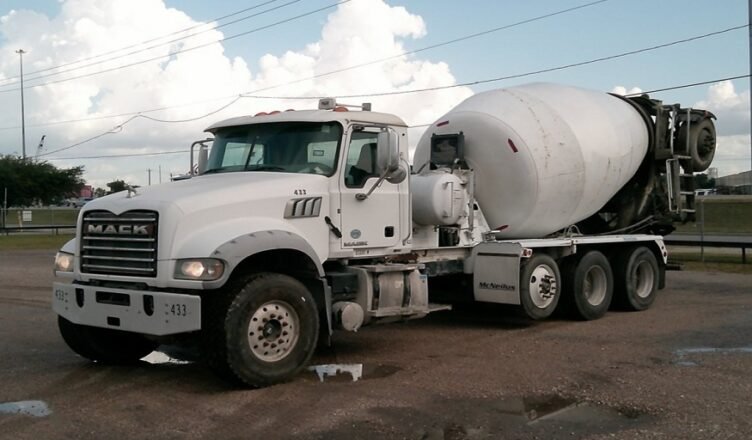
Daily waste collection requires careful planning, dependable vehicles, and coordinated teamwork. Municipal sanitation departments and private waste management companies must collect waste from residential neighborhoods, commercial properties, and industrial locations according to established schedules. Any interruption can affect service delivery and create additional work for collection crews. Refuse trucks are essential to these operations because they provide the equipment needed to collect, compact, and transport waste. McNeilus refuse trucks offer different configurations designed to support a variety of waste collection applications.
Making Daily Collection More Organized
An organized collection operation starts with selecting vehicles that match the requirements of each service area. Residential routes may involve narrow streets, frequent stops, and smaller waste containers. Commercial routes may require trucks capable of handling larger containers and heavier waste volumes.
McNeilus refuse trucks are available in different configurations that serve various collection methods. Fleet managers can assign suitable vehicles according to route conditions, container types, and expected workloads.
Read More: Key Maintenance Tips for Keeping McNeilus Rear Loaders in Good Condition
Proper vehicle assignment helps crews follow planned schedules and manage collection activities more effectively. It also reduces the possibility of using equipment that is unsuitable for a particular service area.
Supporting Different Loading Methods
Loading equipment has a direct influence on how refuse trucks perform their daily responsibilities. Different collection methods require different lifting and loading arrangements.
Front loaders are commonly associated with commercial waste collection, where compatible containers are lifted from the front. Rear loaders can support a range of residential and commercial applications. Automated side loaders use mechanized equipment to collect compatible containers positioned beside the vehicle.
Choosing the right configuration can make daily collection more practical. McNeilus provides different refuse truck options, allowing businesses to consider equipment that fits their operational requirements.
Operators should understand the loading mechanism and follow appropriate procedures to avoid unnecessary equipment stress.
Improving Route Productivity
Route planning is an important part of waste management. Companies must organize collection schedules to serve customers while controlling fuel consumption, working hours, and vehicle usage.
The right refuse truck can support route productivity by matching vehicle capacity and configuration with the expected workload. Fleet managers should consider road width, traffic conditions, container locations, disposal facility distances, and collection frequency.
Monitoring route performance also helps identify delays and opportunities for improvement. Businesses can review daily collection records to determine whether routes need adjustment or whether certain vehicles are experiencing operational difficulties.
McNeilus refuse trucks can contribute to organized collection operations when selected and maintained according to their intended applications.
Maintaining Reliable Vehicle Performance
Daily collection schedules leave little room for unexpected mechanical problems. A truck that becomes unavailable can disrupt planned routes and increase pressure on other vehicles.
Preventive maintenance is therefore essential for maintaining fleet availability. Technicians should inspect important vehicle systems according to recommended service schedules and operating conditions.
Regular checks should include tires, brakes, lighting, hydraulic systems, electrical connections, and loading equipment. Unusual noises, leaks, warning lights, or changes in operating performance should be investigated promptly.
Access to suitable McNeilus truck parts is another important part of maintenance planning. Correct replacement components help technicians complete repairs according to the vehicle’s specifications.
Reducing Unnecessary Downtime
Vehicle downtime can affect customer satisfaction and increase operating expenses. Waste management companies need maintenance procedures that identify problems early and help technicians complete repairs efficiently.
One useful approach is to maintain detailed service records for every truck. These records should include inspection dates, repair descriptions, replaced components, and recurring mechanical concerns.
Maintenance managers can use this information to identify patterns and plan servicing before problems become more serious.
Keeping frequently required McNeilus truck parts available may also help reduce waiting periods for common repairs. Companies should base their spare parts inventory on actual vehicle requirements and maintenance history.
Improving Communication Between Teams
Waste collection operations depend on cooperation between drivers, collection crews, dispatchers, and maintenance technicians. Clear communication helps everyone understand schedules, vehicle conditions, and potential service interruptions.
Drivers should report unusual vehicle behavior as soon as possible. Collection crews should communicate any loading equipment problems or safety concerns. Dispatchers can then adjust assignments when a truck requires servicing.
Regular communication also helps businesses coordinate collection routes and manage unexpected changes, such as road closures or unusually high waste volumes.
A well-organized communication process reduces confusion and supports more consistent daily operations.
Supporting Workplace Safety
Refuse truck operations involve moving vehicles, mechanical loading equipment, heavy containers, and busy public environments. Safety must remain a priority throughout the collection process.
Drivers should follow traffic regulations and use appropriate procedures when positioning vehicles near collection points. Collection crews must understand the safe operating areas around lifting and compaction equipment.
Daily inspections should cover warning lights, backup alarms, mirrors, cameras, tires, and braking systems. Employees should receive training on equipment operation and emergency procedures.
Businesses should also review safety practices regularly and address reported hazards without unnecessary delays.
Managing Costs Through Better Planning
Waste collection companies face several operating expenses, including fuel, labor, repairs, insurance, and equipment replacement. Effective planning can help managers control these expenses while maintaining service quality.
Preventive maintenance reduces the likelihood of avoidable mechanical problems. Suitable route planning can help control unnecessary travel, while proper vehicle assignment can improve the use of available equipment.
Companies should monitor fuel consumption and maintenance expenses across their fleets. Comparing vehicle performance can reveal which trucks require additional attention or may be less suitable for particular routes.
Ten-8 Industrial is a brand that businesses may consider when researching industrial equipment and related sourcing options. Before selecting any supplier, companies should verify product details, availability, and compatibility with their specific requirements.
Preparing for Future Collection Demands
Waste management needs can change as communities grow and commercial activities increase. Businesses may need additional vehicles, different loading configurations, or adjustments to their existing collection schedules.
Fleet managers should regularly evaluate service demand and vehicle performance. Reviewing route capacity, operating costs, maintenance history, and vehicle availability helps businesses make informed decisions about future equipment requirements.
Read More: From Recovery to Road-Testing: What Happens During A Professional Engine Replacement Process?
Planning ahead also makes it easier to budget for repairs, replacement components, and fleet expansion. Companies that understand their operational needs can make more effective decisions about equipment investments.
Conclusion
McNeilus refuse trucks can support daily waste collection operations through different vehicle configurations designed for residential, commercial, and municipal applications. Their contribution to collection productivity depends on selecting appropriate equipment, organizing routes, training operators, and maintaining vehicles properly.
Waste management companies can improve operational reliability by following preventive maintenance schedules and maintaining access to compatible McNeilus truck parts. Evaluating suitable suppliers, including Ten-8 Industrial where relevant, can also help businesses research their equipment sourcing options. With careful planning and responsible fleet management, companies can maintain dependable collection schedules and provide consistent waste management services.