
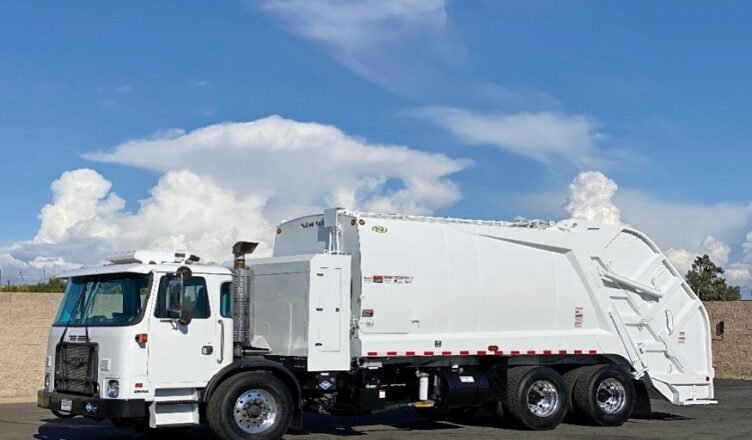
Refuse collection trucks operate in demanding environments. They handle repeated loading cycles, heavy materials, hydraulic movement, road traffic, and exposure to moisture and waste residue. These conditions can place stress on the vehicle’s body, packing mechanism, chassis, and other components. Without regular maintenance, minor problems can develop into costly repairs and unexpected downtime.
For waste management businesses, keeping equipment in good condition is essential for maintaining reliable collection schedules and protecting the value of fleet investments. The McNeilus rear loader includes maintenance-oriented design features, but every vehicle still requires inspections, servicing, and responsible operation.
Establish a Preventive Maintenance Schedule
A preventive maintenance schedule helps fleet managers identify developing problems before they interrupt operations. The schedule should follow the manufacturer’s recommendations and account for operating hours, mileage, route conditions, and the truck’s configuration.
Daily checks should cover visible damage, fluid leaks, tires, lights, brakes, controls, and safety equipment. More detailed inspections should be completed at the recommended service intervals.
Maintenance records should include inspection dates, work performed, parts replaced, and recurring concerns. Organized records make it easier to monitor vehicle condition and plan future servicing.
Inspect the Hydraulic System
The hydraulic system is essential to rear loader operation because it powers the packing mechanism and other functions.
Operators and maintenance personnel should look for fluid leaks around hoses, fittings, cylinders, pumps, valves, and reservoirs. Damaged hoses or loose connections should be addressed promptly by qualified technicians.
Hydraulic fluid should remain at the specified level and meet the manufacturer’s requirements. Contaminated or unsuitable fluid can affect system performance and contribute to component wear.
Any unusual movement, loss of pressure, slow operation, or unexpected noise should be investigated rather than ignored.
Monitor Filters and Fluid Condition
Filters help protect hydraulic components from contamination. A damaged or blocked filter may affect system performance and should be replaced according to the recommended service schedule.
Maintenance teams should also monitor engine oil, coolant, transmission fluid, brake fluid, and other service fluids according to the chassis manufacturer’s instructions.
Using the correct fluid type is important. Substituting an unsuitable product or extending service intervals without approval may create avoidable problems.
Check the Packing Mechanism
The packing mechanism performs repeated movements during refuse collection. Its components should be inspected for excessive wear, damage, loose connections, and abnormal movement.
Pay attention to slide surfaces, sweep components, packing edges, cylinders, and other moving parts. Unusual noises or changes in the packing cycle may indicate a developing problem.
McNeilus highlights self-lubricating slide shoes on applicable configurations. This feature is intended to simplify certain maintenance requirements, but operators should still follow the service instructions for their specific model.
Repairs and adjustments should be performed by qualified personnel using appropriate procedures.
Inspect the Hopper and Body
The hopper and body experience repeated contact with refuse. Abrasive materials, moisture, and heavy loads can contribute to wear and corrosion.
Regularly inspect the hopper floor, side walls, packing surfaces, body floor, tailgate, and visible structural areas. Look for cracks, deformation, corrosion, and evidence of previous repairs.
McNeilus uses abrasion-resistant materials in selected high-wear areas, but exact specifications vary by model. Durable materials do not remove the need for inspection.
If structural damage is suspected, the truck should be assessed by a qualified repair professional before returning to normal operation.
Clean the Truck Regularly
Waste residue can accumulate around the hopper, tailgate, body, and other areas. Regular cleaning helps reduce buildup and makes it easier to identify leaks, cracks, and corrosion.
Cleaning should follow the manufacturer’s safety instructions. Employees must never approach moving packing equipment or enter restricted areas unless the correct isolation and lockout procedures have been completed by trained personnel.
Drainage openings should also be checked for blockages.
A clean truck is easier to inspect and helps maintain a professional appearance during collection work.
Inspect Electrical Controls and Warning Systems
Electrical systems may include switches, sensors, warning indicators, lighting, and diagnostic controls. Moisture, vibration, and debris can affect wiring and connections.
Operators should check that accessible controls and warning systems function correctly before starting a route. Damaged wiring, malfunctioning switches, and warning lights should be reported.
Some McNeilus configurations include control and diagnostic features that may help technicians investigate certain operating issues. The exact equipment depends on the model.
Electrical repairs should be completed by technicians familiar with the vehicle’s systems.
Maintain Tires, Brakes, and Chassis Components
The chassis carries the refuse body and collected material, so its condition is central to safe operation.
Tires should be checked for correct pressure, tread condition, and visible damage. Brakes, steering, suspension, lights, and other chassis components should be inspected according to the chassis manufacturer’s schedule.
Refuse trucks often stop and start frequently, which can place additional demands on braking systems.
Drivers should report unusual vibrations, changes in steering, brake noise, or warning indicators immediately.
Check Safety Equipment Before Each Shift
Safety systems must remain functional. Operators should inspect warning lights, alarms, mirrors, cameras if fitted, emergency stops, interlocks, and rear controls according to the truck’s operating instructions.
Employees should understand the correct procedures for loading, packing, reversing, and working around the vehicle.
Any critical safety defect should be addressed before the truck returns to service. Regular training can help crews recognize hazards and report problems promptly.
Keep Detailed Service Records
Maintenance records provide a useful history of each vehicle. They should include mileage, operating hours, inspections, fluid changes, repairs, parts replacements, and recurring faults.
These records can help fleet managers identify components that repeatedly require attention. They can also support budgeting and decisions about whether a vehicle should remain in service or be replaced.
For businesses operating multiple trucks, a fleet maintenance system can help track upcoming service tasks and inspection deadlines.
Use Qualified Technicians and Compatible Parts
Rear loader systems contain specialized hydraulic, mechanical, and electrical components. Incorrect parts or repair methods can create additional problems.
Businesses should confirm that replacement parts are suitable for the exact body and chassis configuration. Specialized repairs should be handled by qualified technicians.
Atlantic Heavy Duty provides product information and parts support for refuse vehicles. Fleet operators should ask about available support and service arrangements for their equipment.
Adapt Maintenance to Operating Conditions
Maintenance needs may vary according to the route and materials collected. Trucks operating long shifts or handling abrasive waste may require closer attention to certain wear areas.
Frequent stops can also place additional demands on tires, brakes, and other chassis components.
Fleet managers should combine scheduled maintenance with regular condition checks. Changes in packing performance, hydraulic response, vibration, or noise should be investigated promptly.
Conclusion
Keeping a McNeilus rear loader in good condition requires consistent attention to hydraulic systems, packing components, body wear, electrical controls, chassis parts, and safety equipment.
Preventive maintenance, regular cleaning, qualified repairs, compatible replacement parts, and accurate service records can help reduce avoidable downtime. By following the manufacturer’s instructions and responding to problems early, businesses can protect their equipment investment and support dependable waste collection operations.