
Introduction
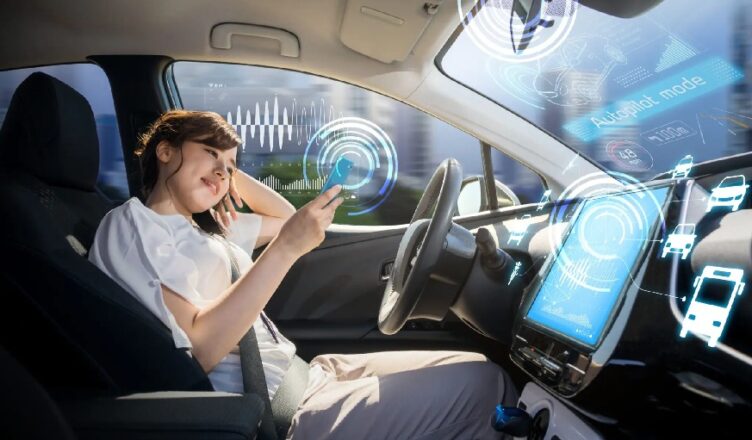
In automotive, the industry is seeing the largest tech shift in our history. What used to define a car’s performance, the engine, fuel efficiency, and how it looks on the outside, is out. Today’s cars are transforming into what can be called “intelligent mobility platforms,” which include AI, advanced sensors, connection features, and very powerful digital elements that better secure, ease, and improve the way we drive.
In terms of driver assistance features to full vehicle networks, which are at the core of what is seen in advanced automotive tech today, it is transforming how people interact with their cars. Manufacturers are putting a great deal of investment into intelligent systems, which in turn analyze road conditions, predict risk, improve performance, and also personalize the driving experience.
The Rise of Artificial Intelligence in Modern Vehicles
Artificial intelligence is at the heart of what is to come in automotive engineering. Today’s models show AI that is using info from cameras, sensors, nav systems, and onboard computers.
Read More: The Acoustic Engineering Behind True Wireless Stereo: Unveiling the Micro-Component Revolution
Today’s cars are equipped with AI, which recognizes driving patterns, identifies what is on the road, and also assists drivers in making safer decisions. Features like adaptive cruise control, automatic emergency braking, lane keeping assistance, and traffic sign recognition are a result of smart software that at all times processes real-time info.
AI is also a force behind better vehicle personalization. Modern vehicles understand drivers’ preferences, which may include
- Seating position
- Climate control settings
- What is played on the audio system
- How the car performs on the road
This allows manufacturers to present a very personalized and comfortable experience for each user.
Smart Sensors: The Eyes and Ears of Modern Cars
Smart sensors are at the core of what makes today’s vehicles advanced. They enable cars to perceive their environment and react to variable road conditions.
Modern in-car technology is a mix of
- Camera systems
- Radar sensors
- Ultrasonic sensors
- Other sensing devices
These technologies present a full picture of the environment. Cameras in these cars report on road markings, other vehicles, pedestrians, and traffic signs; also, radar is used to determine distance and speed, which in turn improves safety.
Ultrasonic sensors, which are very common in parking assist features, allow drivers to see what is close by in tight spaces. These sensors as a network give cars the input they need for the advanced driver assistance systems.
As auto tech is constantly changing, sensor accuracy and reliability are key to improved autonomous driving.
Digital Cockpits and Connected Vehicle Systems
In modern cars there is a shift to a very advanced digital environment for the interior. The industry is seeing the old dashboard give way to digital cockpits, which put together entertainment, navigation, communication, and vehicle info in one connected package.
Large screens, voice commands, smartphone apps and cloud services which are found in many cars today allow for easy access to key features. Modern digital experiences in vehicles are also evolving similarly to premium technology products such as the iphone air and iPhone 17 Pro, where advanced interfaces, smart features, and seamless connectivity have become important parts of the user experience.
Today’s vehicles provide the following:
- Real-time traffic report
- Remote control of car functions
- Software updates
- Personalized digital services
Connected in car tech also includes communication between vehicles and external systems. Modern vehicles are able to share info with the infrastructure, other cars, and the internet, which in turn improves traffic flow and overall performance of the drive.
Advanced Safety Through Intelligent Systems
Vehicle safety has greatly improved with the introduction of smart technologies. Today’s safety features not only protect passengers in the event of a crash but also aim to prevent accidents from happening in the first place.
Advanced Driver Assistance Systems (ADAS) that use AI and sensor technology to improve driving conditions and that also step in with alerts or automatic reactions as required.
Examples of ADAS features include:
- Emergency break systems
- Blind spot monitoring systems
- Collision detection assistance
Emergency brake systems in ADAS will notice a possible collision and will put on the brakes at once; also, blind spot monitoring systems help drivers to see vehicles that may not be detected in the mirrors.
These technologies are reducing human error, which is the main cause of road accidents. In support of drivers with real-time info and automated assistance, intelligent safety systems are making our vehicles safer than ever.
The Role of Software in Future Vehicles
Software has taken its place at the same level of importance as mechanical engineering in the field of automotive development. Today’s cars run on millions of lines of code, which are used for anything from engine performance and battery life to entertainment and safety.
Many manufacturers have transitioned to software defined vehicle models which see new features and improvements rolled out via digital updates as opposed to physical changes. This approach reflects the direction seen in advanced consumer technology devices like the iphone 17 pro, where software optimization and intelligent systems continue to improve performance over time.
Modern software-based vehicles receive the following:
- Performance improvements
- Security patches
- New features over the air
Also, like smartphones, which are updated via the air, cars are now being sent out performance improvements, security patches, and new features over the air.
This change, which allows for continuous improvement of vehicles through their lifetime, also gives the customer a more flexible ownership option.
Electric Vehicles and Intelligent Energy Management
Advanced technology is also at play in electric vehicles (EVs). In today’s EVs there is the introduction of smart battery management, which pays attention to issues of energy use, temperature, and charging efficiency.
AI-developed energy solutions improve drive range by looking at:
- Driving patterns
- Environment conditions
- Energy consumption
Also, modern systems provide smart charging, which has vehicles talk to the charging networks, which in turn allows users to better manage power.
Read More: Flexibility on the Move: How Foldable Van Seating Improves Comfort and Functionality
As electric mobility continues to grow, digital technologies will play a large role in that which pertains to the performance of batteries, the growth of the charging infrastructure, and the large picture of vehicle efficiency.
The Future of Automotive Innovation
The future of auto tech will be defined by growth in:
- Artificial intelligence
- Automation
- Connectivity
- Sustainable engineering
The industry will see deployment of autonomous drive systems, better sensor networks, and more powerful computing platforms, which in turn will produce safer, smarter, and more efficient cars.
However, in order for these technologies to be adopted successfully, it is expected that issues of
- Cyber security
- Infrastructure growth
- Regulatory frameworks
- Consumer confidence
will need attention.
As cars become more software-based and integrated into the digital world, protection of connected vehicles from digital threats will grow in importance.
Conclusion
Advanced automotive technology is overhauling what is considered today’s auto industry. AI, smart sensors, and digital interfaces are turning cars into what essentially are moving computers, which better safety, comfort, and fuel efficiency.
As in the present day, automotive innovation continues to grow; what can be expected is that in the near future vehicles will present better levels of automation, personalization, and connectivity.
The industry is entering a new age of mobility where tech and engineering have come together in new ways to bring to life smarter and more competent vehicles that global drivers will enjoy.