
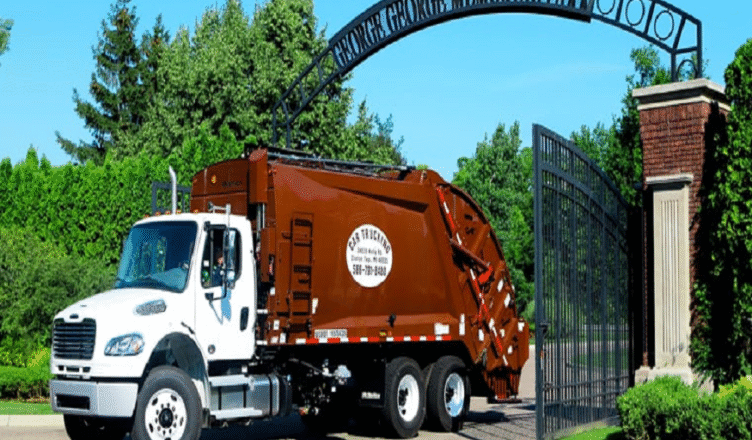
Rear loader garbage trucks remain one of the most dependable solutions for municipal and commercial waste collection. At the heart of every rear loader truck is its compactor system, which determines efficiency, payload capacity, and long-term durability. Understanding the core compactor features helps fleet managers, municipalities, and contractors choose the right equipment for their operations. This article explains the essential rear loader compactor features you should know and highlights how manufacturers like Atlantic Heavy Duty incorporate these features into their designs.
The Importance of the Compactor System in a Rear Loader
The compactor system is the mechanical core of a rear loader garbage truck. It compresses waste collected in the hopper into the main body of the truck, allowing operators to transport significantly more material in a single trip. Without an efficient compaction system, waste collection becomes costly due to frequent landfill trips, increased fuel consumption, and reduced daily route coverage.
Modern rear loader compactors are engineered to balance power and reliability. They must generate strong compression force while maintaining smooth, consistent cycles throughout the workday. A high-performing compactor ensures optimal productivity and minimizes operational delays.
High Compaction Ratio and Payload Efficiency
One of the most critical features of a rear loader compactor is its compaction ratio. This ratio indicates how much waste can be compressed compared to its original volume. A strong compaction ratio, typically between 3:1 and 6:1, allows the truck to carry more waste without exceeding weight limits.
Higher compaction means fewer trips to disposal facilities. For municipalities managing multiple routes daily, this translates into lower fuel expenses and improved overall efficiency. Atlantic Heavy Duty designs rear loader bodies with reinforced packer systems that maintain consistent compaction pressure even under heavy workloads.
Heavy-Duty Packer Blade Design
The packer blade is responsible for pushing waste from the hopper into the truck body. Its strength and construction directly affect the performance and longevity of the rear loader compactor.
A well-designed packer blade is constructed from high-tensile steel and reinforced to withstand constant pressure. It must handle sharp objects, heavy debris, and mixed waste materials without bending or cracking. Advanced rear loader models feature precisely aligned packer panels that ensure smooth operation and reduce wear over time.
Atlantic Heavy Duty emphasizes reinforced packer assemblies to ensure durability in demanding municipal environments where daily compaction cycles are intensive.
Advanced Hydraulic System Performance
Hydraulics power the entire compactor system in a rear loader garbage truck. The hydraulic cylinders, pumps, and valves control the movement of the packer blade and tailgate mechanisms.
A high-quality hydraulic system ensures smooth compaction cycles without jerking or stalling. Consistent hydraulic pressure improves efficiency and reduces mechanical stress on components. Modern systems also include leak-resistant fittings and durable hoses designed to withstand high pressure and long operating hours.
Reliable hydraulic engineering, such as that found in Atlantic Heavy Duty rear loader models, helps reduce downtime and simplifies maintenance routines.
Hopper Design and Waste Handling
The hopper serves as the initial loading point for waste. Its size and design significantly influence how efficiently workers can load materials into the rear loader.
A properly engineered hopper provides enough space for quick loading while preventing overflow. Curved sidewalls and reinforced floor plates enhance durability and prevent debris buildup. Some rear loader compactors include optimized hopper geometry that improves waste flow into the packer mechanism.
Efficient hopper design reduces manual handling time and keeps crews moving smoothly along collection routes.
Tailgate Sealing and Structural Integrity
The tailgate plays a critical role in securing compacted waste inside the truck body. A strong and properly sealed tailgate prevents leakage of liquids and debris during transport.
Rear loader compactors feature heavy-duty hinges, reinforced locking mechanisms, and durable rubber seals. Structural integrity is essential to withstand the high pressure generated during compaction. Atlantic Heavy Duty focuses on reinforced tailgate construction to ensure long-term reliability and safety.
A secure tailgate not only protects the environment from waste spillage but also enhances operator safety during transport.
Control Systems and Operator Safety
Modern rear loader compactors include user-friendly control systems that allow operators to manage compaction cycles efficiently. These controls are typically located at the rear of the truck for easy access.
Safety interlocks, emergency stop buttons, and backup alarms are essential features that protect sanitation workers. Some advanced rear loader models integrate sensors that monitor hydraulic pressure and compaction cycles to prevent system overload.
Safety-focused engineering reduces workplace risks and ensures compliance with municipal safety standards.
Reinforced Body Construction
Compaction places significant stress on the truck body. Therefore, reinforced steel construction is a vital feature of any rear loader compactor.
High-strength steel floors and sidewalls prevent warping under heavy loads. Corrosion-resistant coatings add another layer of protection, especially in areas exposed to moisture and waste residue. Atlantic Heavy Duty manufactures rear loader bodies with durable materials designed to handle long-term municipal use.
Strong structural integrity ensures the compactor system operates efficiently without compromising the truck’s lifespan.
Ease of Maintenance and Service Access
Maintenance-friendly design is another important feature of a reliable rear loader compactor. Accessible hydraulic components, removable panels, and service-friendly layouts reduce downtime and repair costs.
Regular inspection of packer blades, cylinders, and seals helps maintain peak compaction performance. Rear loader trucks designed with easy access points simplify routine servicing and allow technicians to address minor issues quickly.
Atlantic Heavy Duty prioritizes serviceability in its rear loader designs, helping fleet managers maintain consistent operations with minimal interruptions.
Environmental Efficiency and Modern Upgrades
Environmental responsibility is increasingly important in waste management. Modern rear loader compactors are engineered to reduce emissions and improve fuel efficiency.
Higher compaction ratios mean fewer landfill trips, lowering overall fuel consumption. Some rear loader models are also compatible with alternative fuel or hybrid chassis options, supporting sustainability goals in urban areas.
These advancements ensure that rear loader garbage trucks remain relevant in modern waste management strategies.
Final Thoughts
Understanding the essential compactor features of a rear loader garbage truck helps decision-makers select equipment that maximizes efficiency, durability, and safety. From high compaction ratios and heavy-duty packer blades to advanced hydraulic systems and reinforced construction, each feature contributes to reliable waste collection performance.